

The digital slot Alles Spitze makes every spin into a quiet debate https://allesspitze.eu/. Do you rely on your instinct, or adhere to the figures? This is not only about success or failure. It’s a clear battle between two ways of thinking, displayed across its vivid, bustling slots. The game’s structure and features make it a perfect arena to watch how instinct and reason affect every decision a gambler does, from the level of their wager to the point they quit.
The Fundamental Mechanics of Alles Spitze Slot
You have to learn the rules before choosing a side. Alles Spitze is a video slot designed for fun, filled with interactive features. It runs on a familiar grid of reels and paylines, where you align matching symbols to score a win. You’ll find the usual set of symbols: standard symbols, wilds, and scatters.
Its real personality shines through in the bonus rounds, free spins, and special symbols that unlock bigger payouts. The game’s character is shaped by numbers like its volatility and its Return to Player (RTP) percentage. These figures form a mathematical framework. For the logical player, this framework is the only map they want. It reveals to them the lay of the land before they even make their first bet.
Take the bonus round in Alles Spitze. It’s seldom a simple, one-off event. More frequently, it’s a multi-stage affair that requires you to make choices. Each choice is a tiny drama. Do you aim for the bigger multiplier, or choose the safer, smaller win? The game’s volatility isn’t just a label; it’s shown through the symbols you see. Low-paying symbols appear frequently, keeping the screen busy. The high-value ones are more elusive, creating a tension that sparks both gut feelings and cold calculations.
Underneath all the flashing lights, a Random Number Generator (RNG) is operating. This is the immutable rule of the land. It guarantees every spin is independent and random. The logical player views this as reality. But the game’s presentation—the way the reels occasionally pause for effect, the fireworks on a win—offers a different, more intuitive story. It makes randomness seem like fate, and that’s where the debate actually starts.
The point where Intuition and Logic Collide in Gameplay
The most compelling moments in Alles Spitze happen right where these two mindsets meet. Look at the choice to purchase a bonus feature versus holding out for it to trigger naturally. Logic points to the cost versus the average return. Intuition whispers that buying the bonus might snap a cold streak. Or after a string of losses, logic says stick to the plan. Intuition shouts to change the bet level, now.
Then there’s the decision to quit. The logical player has pre-set limits. But intuition might beg for “just five more spins” when luck appears close, or shout to quit early during a downturn that appears endless. These internal arguments are the real game within the game, a constant tug-of-war between heart and mind.
The collision is fiercest during a winning streak. Logic understands about regression to the mean. It alerts that a streak is just a random cluster in a long sequence, and recommends maintaining the original bet size. Intuition views the streak as a shift in the universe. The machine is “hot,” and it’s time to bet bigger to follow the wave. This fundamental disagreement on what randomness actually appears like creates a powerful cognitive dissonance every player must confront.
The clash doesn’t stop in the bonus rounds. Alles Spitze often contains pick-and-click features where you select from several options. Logic states the outcome is predetermined; there is no right choice. Yet intuition will have you searching for visual clues, pausing over a certain box, or following a “lucky feeling” about a particular symbol. It’s a way of investing a random event with personal meaning and a sense of control.
The Rational Thinker’s Methodical System
The rational thinker views Alles Spitze like a series of problems to address. They commence with the known parameters. Their focus are bankroll management, a strong understanding of the rules, and the cold hard facts of odds. Every decision is calculated. They set stop-losses, select wager amounts as a proportion of their balance, and know the precise requirements for triggering each bonus.
This system is built on objective analysis. They acknowledge the RNG’s arbitrariness, but they employ all fragment of available data to reach well-considered decisions. Their aim is to extend their session, control risk, and extract the maximum advantage from any promotions. The playing session is a measured endeavor, not an sentimental rollercoaster.
Readiness is everything. Prior to playing, they’ll be aware of the game’s published RTP (usually about 96%) and its volatility rating. They understand that a high-volatility game like Alles Spitze signifies less common victories, but the wins can be bigger. This fact influences their whole funding approach. They’ll finance their playtime with sufficient to survive a cold streak, often wagering in small, consistent increments.
Their attitude to incentives is just as systematic. They know the mean yield from the free spins round. If there’s a “Bonus Buy” feature, they’ll weigh its cost to that average payout. Is the upfront cost valuable, or does it just eat into their balance? All selection is a cost-benefit evaluation. They remove the showy packaging to analyze the mathematical skeleton beneath, all to optimize their entertainment value per dollar spent.
Mental Triggers In the Slot Design
Alles Spitze’s design skillfully fuels this psychological battle. The developers employ techniques that target both intuitive and logical thinking. Triumphant sounds, animated sequences, and visual cues for near-wins appeal to the intuitive side, crafting a sense of agency and anticipation that logic cannot explain.
- Sensory Feedback: Wins feature distinct sounds and animations. This positive reinforcement functions on an intuitive level, even when the win is small. Losses, on the other hand, often get a neutral or minimal response. This reduces the impact and maintains players in their seats.
- Perceived Control: Features like manual “stop” buttons or interactive bonus rounds feed the logical desire for agency. Pressing the stop button does not alter the outcome, but the simple act of doing it meets a deep need to participate, to be more than just a spectator.
- Unpredictable Reward Patterns: The unpredictable timing of bonuses leverages a core psychological principle. It maintains both intuition and logic endlessly busy. The brain’s reward centres respond strongest when a reward is anticipated, not when it’s a sure thing. This schedule is what makes repetitive play so addictive.
- Losses Masquerading as Wins: This is a major trigger. It happens when a spin pays back less than your original bet, but the game still plays winning sounds and animations. The intuitive brain interprets a win, overriding the logical fact that you actually lost money. It’s a powerful trick that motivates you to keep playing.
None of this is random. These elements are engineered to sustain engagement by appealing to both sides of your brain. The debate between intuition and logic is baked into the game’s design. The energetic “party” theme lowers your inhibitions for intuitive play, while the clear displays of bet amounts and balance give the logical mind the data it seeks.
Understanding the Intuitive Player’s Approach
The intuitive player follows a distinct kind of signal. They aren’t calculating numbers. They’re feeling the rhythm of the game. This player might raise their bet because the machine feels “hot,” or because they have a hunch the bonus is about to land. They go with impulse, changing their strategy on a whim rather than sticking to a plan.
For them, the game is about entertainment and emotion. They are immersed in the sensory feedback: the celebratory jingle, the heart-skip of a near-miss, the jolt of a surprise win. The session is a story they’re living through, where enjoyment is the main point. The statistics are a boring footnote.
They construct this story on a personal kind of pattern recognition. Maybe they spotted the last two bonuses came after a specific sequence of blank spins and a particular sound. They’ll start watching for that pattern again, even though the RNG doesn’t work that way. This plays on a deep human need to find cause and effect. It transforms a string of random events into a personal tale of luck and timing.
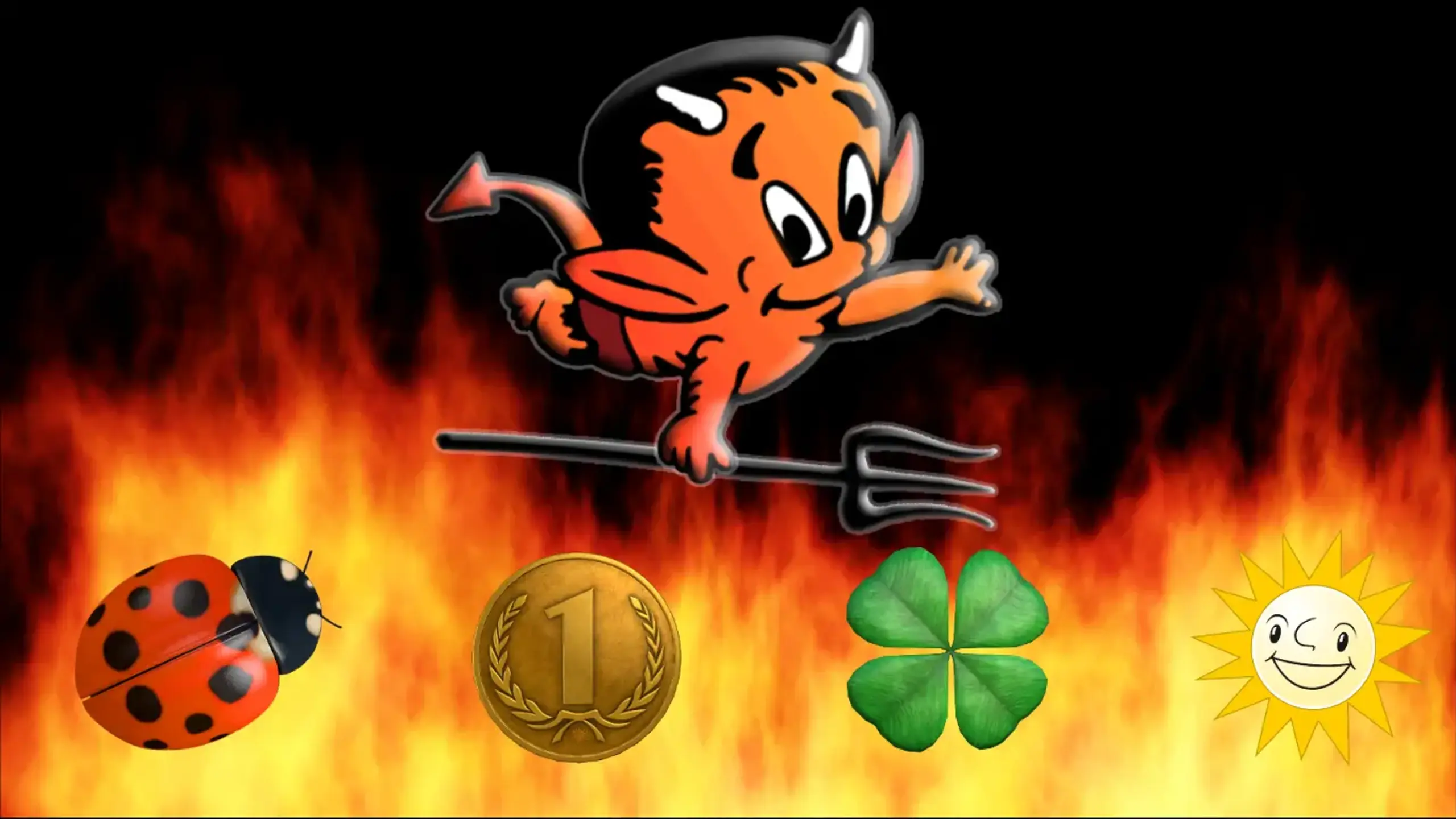
The game’s theme draws them in, too. Alles Spitze has a vibrant German party vibe, all bright colours and upbeat music. It’s designed to lift your mood and encourage a celebratory, spontaneous style. The intuitive player goes with this wave. They let the game’s energy guide their betting tempo and their decision to carry on or stop. “It just feels right tonight,” is a completely reasonable reason for anything they do.
Risk Evaluation: Gut Feeling Versus Statistical Odds
This is the moment when intuition and logic separate most dramatically. Intuitive risk assessment is quick and emotional. It’s grounded in what just happened. A big win can downplay the danger of risk. A setback can make threats appear omnipresent. This is the domain of the gambler’s fallacy, a common gut-level mistake.
Rational risk evaluation depends on the immutable math of the game. It encompasses comprehending fluctuation and the house edge. The logical player understands each round is independent. Past results don’t matter. They measure risk according to their funds and the statistical distribution of potential results, not on a temporary feeling.
The instinctive hunch about risk often comes from mental shortcuts, or mental rules of thumb. The “availability heuristic” means you assess the risk of losing by how easily you can bring to mind recent defeats. After a few bad spins, risk appears massive. After a success, it seems insignificant. Reasoned analysis uses a pre-commitment strategy to counter this tendency. By setting a loss limit before playing and following it without exception, the logical player creates a barrier against intuitive misjudgment.
They also perceive the bonus buy feature in a different light. Gut feeling might view the upfront cost as a surefire way to enjoy, a way to avoid the “risk” of missing the bonus trigger. Logic positions that same price as an further house advantage, a premium paid for certainty that, eventually, will chip away at your total return. One interpretation sees it as lowering danger, the other sees it as diminishing worth. The same mechanism, viewed through two totally separate minds.
Merging Approaches for Harmonious Play
The cleverest way to play Alles Spitze may not be to pick a side, but to merge them. A harmonious player starts with a logical foundation: a specific budget, a grasp of the rules, and an embrace of the RNG. Then, they let intuition steer the minor decisions within that protected space. This combined approach acknowledges the mathematics without overlooking the human desire for fun.
For instance, a player may logically determine to spend a set amount on a session. Once that threshold is established, they could intuitively decide to raise their stake a little during a exciting bonus round, or move to auto-spin for a while. This combination acknowledges that slots are entertainment. Pure logic alone can make them uninspiring, but raw instinct can lead to impulsive play.
A useful blend includes a flexible playbook. The logical foundation includes a firm deposit limit and a session timer. The intuitive layer then controls the tempo. Maybe you start with smaller bets to “get a feel” for the game, then adapt based on the flow, all while keeping within your monetary guardrails. You use logic to create the cage, but let intuition be the bird inside.
This balanced mindset also shifts the goal. The aim shifts from winning money to acquiring entertainment. When you logically budget £20 for two hours of fun, any win is a bonus that extends the show. Intuition then makes that show more captivating by adding spontaneity. The player who merges both understands the real “win” is an enjoyable, regulated experience. The debate between intuition and logic isn’t a battle to be achieved. It’s part of the show.
The conflict between intuition and logic in Alles Spitze reflects a common struggle in how we make decisions. It shows that gaming is far from a inactive activity. It’s a dynamic cognitive landscape. By recognizing the value in both instinct and analysis, players can cultivate a more mindful and enjoyable relationship with the game. You can cherish it for what it is: a mathematical puzzle encased inside a engrossing story.
